CHAPTER 4: HEREDITY
1. Heredity
Definition:
Heredity is the natural process by which parents transmit their traits to their offspring through genes.
Traits passed from parents to offspring are called hereditary characters.
Genetics:
Genetics is the branch of biology that studies genes, heredity, and variation.
2. Chromosomes, DNA and Genes
Chromosomes
- Thread-like structures present in the nucleus.
- Made of DNA and proteins.
- Carry hereditary information.
Humans:
- Somatic cells: 46 chromosomes (2n)
- Gametes: 23 chromosomes (n)
- 22 pairs = Autosomes
- 1 pair = Sex chromosomes
Male: XY
Female: XX
Gene
A gene is a small segment of DNA that controls a specific trait.
Allele
Alternative forms of a gene.
Example: T (tall) and t (dwarf).
Genotype
The genetic makeup of an organism (TT, Tt, tt).
Phenotype
The visible expression of a trait (Tall or Dwarf).
Homozygous
Having identical alleles (TT or tt).
Heterozygous
Having different alleles (Tt).
3. DNA and RNA
DNA (Deoxyribonucleic Acid)
- Double-stranded structure
- Found in nucleus (eukaryotes)
- Made of nucleotides:
- Sugar (deoxyribose)
- Phosphate
- Nitrogen bases: A, T, G, C
- Function: Stores and transmits hereditary information
RNA (Ribonucleic Acid)
- Single-stranded
- Sugar: Ribose
- Bases: A, U, G, C
- Types:
- mRNA
- tRNA
- rRNA
- Function: Helps in protein synthesis
4. Cell Division
A. Mitosis
- Occurs in somatic cells
- 1 diploid cell → 2 identical diploid cells
- Maintains chromosome number (2n → 2n)
- Functions:
- Growth
- Repair
- Asexual reproduction
- Genetic stability
B. Meiosis
- Occurs in reproductive cells
- 1 diploid cell → 4 haploid cells
- Chromosome number reduced (2n → n)
- Crossing over occurs
- Produces variation
Function:
- Sexual reproduction
- Genetic variation
- Basis of evolution
Difference Between Mitosis and Meiosis
| Feature | Mitosis | Meiosis |
|---|---|---|
| Number of divisions | One | Two |
| Daughter cells | 2 | 4 |
| Chromosome number | Same | Half |
| Genetic similarity | Identical | Different |
| Occurs in | Body cells | Gametes |
5. Fertilization and Sex Determination
Fertilization
Fusion of male gamete (sperm) and female gamete (ovum) to form a zygote.
Sperm: 22 + X or 22 + Y
Ovum: 22 + X
Zygote:
44 autosomes + XX (Female)
44 autosomes + XY (Male)
Chance of male or female child = 50%
Sex is determined by the father.
6. Mendelism
Gregor Johann Mendel is known as the Father of Genetics.
He conducted experiments on pea plants.
Reasons for choosing pea plants:
- Short life cycle
- Large number of seeds
- Many contrasting traits
- Easy to cultivate
- Self-pollinating
7. Monohybrid Cross
Cross between parents differing in one pair of contrasting traits.
Example:
TT (Tall) × tt (Dwarf)
F1 Generation:
All Tt (Tall)
F2 Generation:
Phenotypic ratio = 3 Tall : 1 Dwarf
Genotypic ratio = 1 TT : 2 Tt : 1 tt
Punnett square is used to show genetic crosses.
8. Dihybrid Cross
Cross involving two pairs of contrasting traits.
Phenotypic ratio in F2:
9 : 3 : 3 : 1
9. Mendel’s Laws
1. Law of Dominance
In F1 generation, only the dominant trait appears.
2. Law of Segregation
Alleles separate during gamete formation.
3. Law of Independent Assortment
Different traits assort independently during gamete formation.
10. Seven Pea Traits
| Trait | Dominant | Recessive |
|---|---|---|
| Plant height | Tall | Dwarf |
| Flower position | Axial | Terminal |
| Pod color | Green | Yellow |
| Pod shape | Inflated | Constricted |
| Seed shape | Round | Wrinkled |
| Flower color | Purple | White |
| Seed color | Yellow | Green |
11. Genetic Technology
Definition:
Manipulation of genes to develop desired traits.
Techniques:
- Genetic engineering
- Gene transfer
- Molecular markers
Applications:
- High-yield crops
- Disease treatment
- DNA fingerprinting
12. Selective Breeding
Definition:
Breeding organisms with desirable traits to produce improved offspring.
Types:
- Inbreeding
- Crossbreeding
- Line breeding
- Self-pollination
Advantages:
- Improved quality
- High yield
- Disease resistance
Disadvantages:
- Reduced genetic diversity
- Risk of sterility
- Loss of natural traits
13. Artificial Insemination (AI)
Definition:
Introduction of semen into female reproductive tract without mating.
Advantages:
- Cost effective
- Disease control
- Long-distance fertilization
Disadvantages:
- Requires skill
- Risk of infection
14. In Vitro Fertilization (IVF)
Definition:
Fertilization outside the body in laboratory.
Steps:
- Egg collection
- Fertilization in lab
- Embryo transfer
Advantages:
- Helps infertile couples
- Reduces genetic disorder risk
Disadvantages:
- Expensive
- Emotional stress
- Risk of multiple births
15. Important Concepts
Variation
Differences between individuals of the same species.
Evolution
Gradual change in organisms over time.
Genetic variation produced during meiosis is the basis of evolution.
Summary
Heredity is the transmission of traits through genes located on chromosomes. DNA stores genetic information. Mendel explained inheritance through his laws of dominance, segregation, and independent assortment. Mitosis maintains chromosome number, while meiosis produces variation. Modern genetic technologies and reproductive techniques improve agriculture and medicine.
Gallery
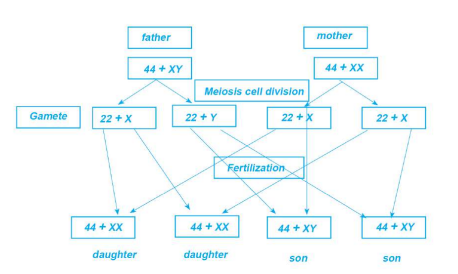
Sex Determination Chart
Sex Determination Chart
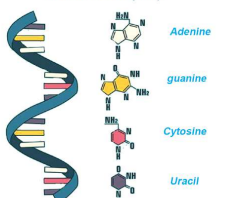
Structure of RNA
Structure of RNA
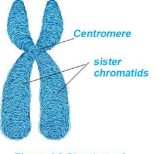
Structure of Chromosome
Structure of Chromosome
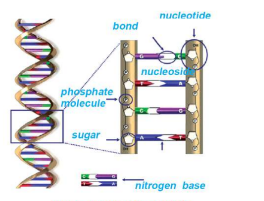
Structure of DNA
Structure of DNA
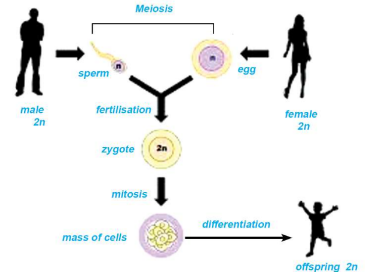
Cell division for the growth and development of living beings
Cell division for the growth and development of living beings
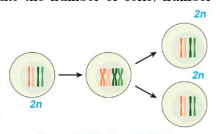
Mitotic cell devision
Mitotic cell devision
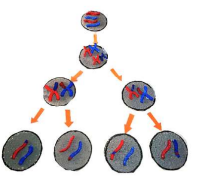
Model of meiosis cell division
Model of meiosis cell division
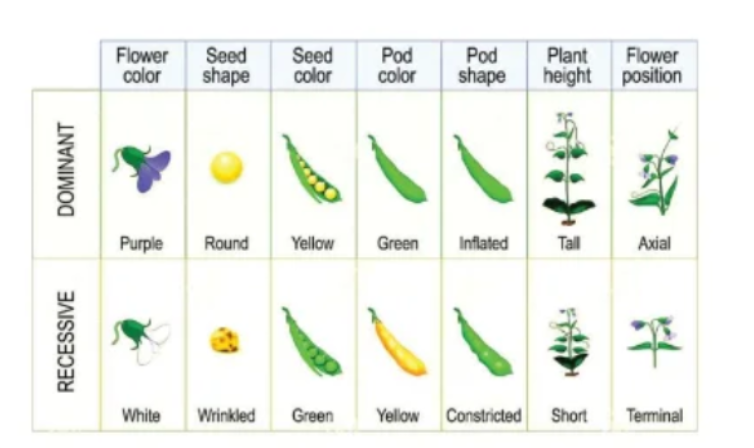
Dominant and Recessive Characters in pea plant
Dominant and Recessive Characters in pea plant
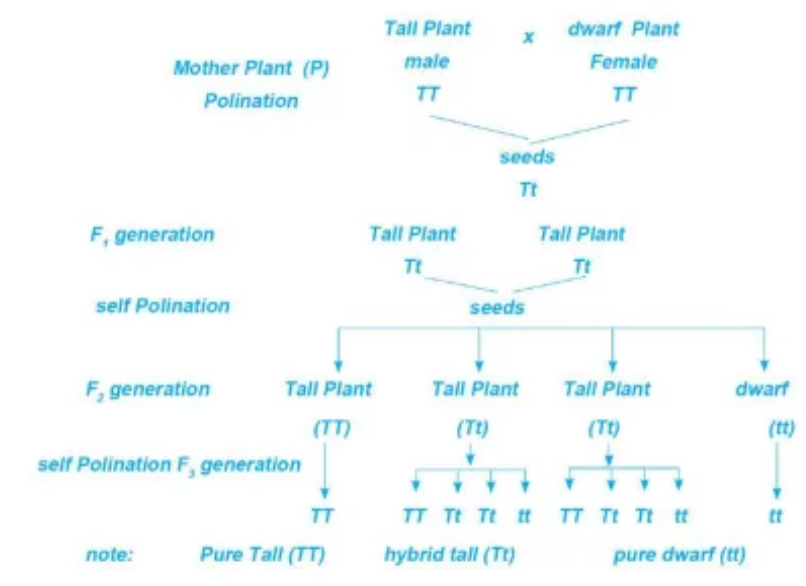
Monohybrid Cross between tall plant and dwarf pea plant
Monohybrid Cross between tall plant and dwarf pea plant
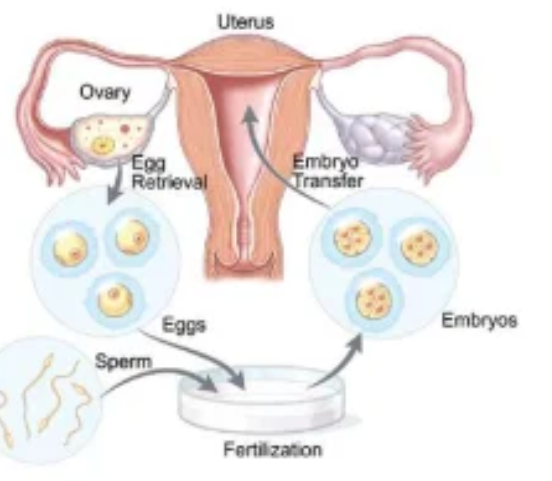
Method of in vitro fertilization
Method of in vitro fertilization
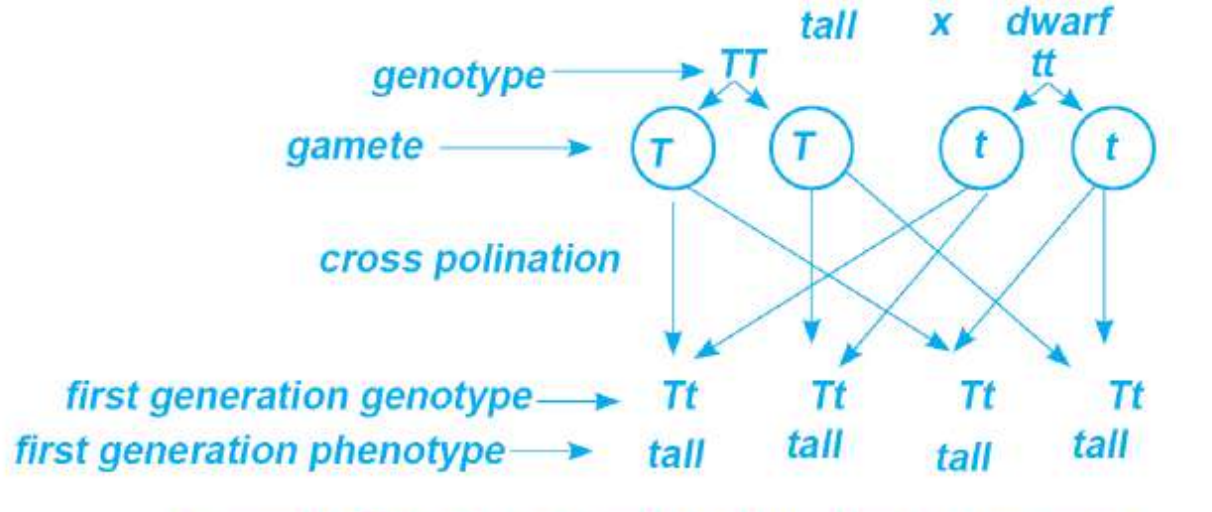
Mendal's law of dominance
Mendal's law of dominance