Introduction
In today’s world, technology has become an inseparable part of our daily life. From urban cities to rural areas, services like email, social networks, e-commerce, online chats, live streaming, and on-demand videos have become essential. These services rely on integrated technologies such as Cloud Computing, Artificial Intelligence (AI), Virtual Reality (VR), Mobile Computing, E-Governance, and Internet of Things (IoT) to function efficiently.
1. Cloud Computing
Definition: Cloud computing is a model where computing resources (like processors, storage, networks, software) are provided over the Internet as shared, virtualized resources. Users pay only for what they use.
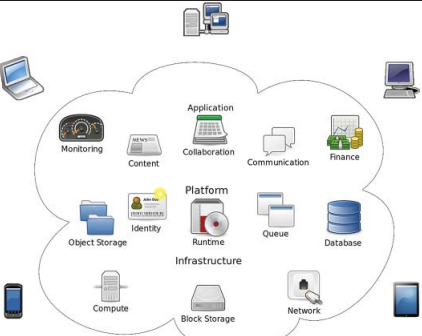
Key Features:
- Resources are scalable and available on demand.
- Eliminates the need for organizations to maintain their own hardware infrastructure.
- Supports applications requiring high performance and availability.
Types of Cloud Services:
- Infrastructure as a Service (IaaS): Provides virtualized hardware resources to run software. Billed based on usage.
- Software as a Service (SaaS): Users access software over the Internet, often via subscription. Examples: Gmail, Google Drive, Office 365.
- Platform as a Service (PaaS): Provides development tools and environment to create applications. Example: IBM Bluemix.
Examples of Cloud Services:
- Microsoft Office 365 – Web-based Office apps.
- Google Drive – Cloud storage and collaboration.
- Apple iCloud – Storage, backup, and synchronization.
Benefits of Cloud Computing:
- Easy access to data and apps from anywhere.
- Cost-effective for businesses.
- Scalable resources without large investment.
2. Artificial Intelligence (AI)
Definition: AI is the study and development of computer systems that can mimic human intelligence to perform tasks and improve over time based on data.

Examples of AI:
- Virtual assistants: Siri, Cortana, Amazon Alexa
- Face recognition systems
- Self-driving cars
- Spam email filters
Importance:
- Automates tasks requiring human intelligence
- Improves productivity and decision-making
- Supports smart recommendations and predictive systems
3. Virtual Reality (VR)
Definition: VR is a technology that creates a simulated environment that can be interacted with in a way that feels real using computer-based systems.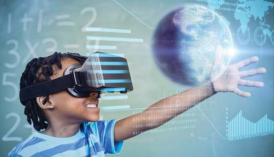
Uses of VR:
- Gaming and entertainment
- Training simulations (pilots, doctors)
- Education (virtual tours, labs)
- Experiencing distant locations
Devices:
- Head-mounted displays
- VR cinema halls
4. E-Governance
Definition: E-Governance refers to government services provided to citizens, businesses, and organizations via electronic media, mainly the Internet.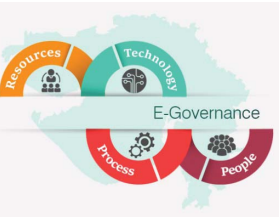
Goals:
- Simplify processes for citizens and government
- Increase transparency and reduce corruption
- Expand government reach to remote areas
Examples in Nepal:
- Paying taxes online
- Requesting government services through websites
Benefits:
- Cost-effective and convenient
- Increased transparency and efficiency
- Direct participation of constituents
5. Mobile Computing
Definition: Mobile computing is the ability to access and process data using mobile devices like smartphones, tablets, and wearable gadgets anytime, anywhere.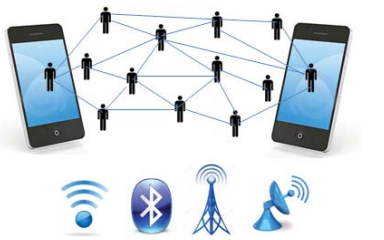
Components:
Mobile Hardware: Small, portable devices capable of processing data. Includes sensors, cameras, and biometric features.
Mobile Software: Operating systems and apps designed for mobile devices. Examples: Android, iOS.
Mobile Communication: Exchange of data over wireless networks like Wi-Fi, Bluetooth, cellular networks, and satellite.
Principles of Mobile Computing:
Portability: Devices can be moved easily.
Connectivity: High-quality network connection.
Interactivity: Enables communication and collaboration.
Individuality: Supports personal and contextual data access.
6. Internet of Things (IoT)
Definition: IoT is a system of interrelated computing devices, sensors, and objects that communicate and exchange data over a network without direct human interaction.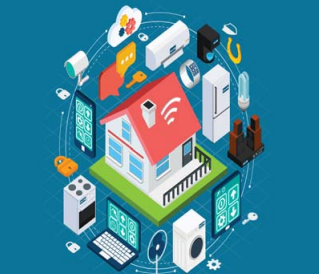
Examples:
- GPS-enabled cars transmitting location
- Temperature sensors sending real-time readings to servers
- Smart home devices (lights, thermostats, appliances) connected to the Internet
Importance:
- Enables real-time data collection and monitoring
- Connects physical and digital worlds
- Supports automation and smart systems
Key Differences Between Technologies
| Technology | Definition | Main Use | Example |
|---|---|---|---|
| Cloud Computing | Internet-based delivery of computing resources | Storage, hosting, on-demand applications | Google Drive, AWS |
| Artificial Intelligence (AI) | Systems that mimic human intelligence | Decision-making, automation | Siri, self-driving cars |
| Virtual Reality (VR) | Simulated interactive environment | Gaming, training, education | VR headsets |
| E-Governance | Government services provided through electronic media | Citizen services, transparency | Online tax payment portals |
| Mobile Computing | Access to computing using portable devices | Anytime, anywhere data access | Smartphones, tablets |
| Internet of Things (IoT) | Connected devices that exchange data | Automation, monitoring | Smart home devices, GPS cars |
Summary
Cloud Computing: On-demand Internet-based resources. Examples: AWS, Google Cloud.
AI: Machines performing human-like tasks. Examples: Siri, spam filters.
VR: Simulated interactive environment. Examples: VR games, simulators.
E-Governance: Government services online. Benefits: transparency, cost reduction.
Mobile Computing: Data access via portable devices. Principles: portability, connectivity, interactivity, individuality.
IoT: Devices communicating data over networks without human intervention. Examples: smart sensors, GPS-enabled cars.
Important Notes for Exam:
- Understand examples and applications in real life.
- Remember key differences between technologies.
- Focus on principles and components of Mobile Computing.
- Be able to explain benefits of Cloud Computing, E-Governance, and AI.